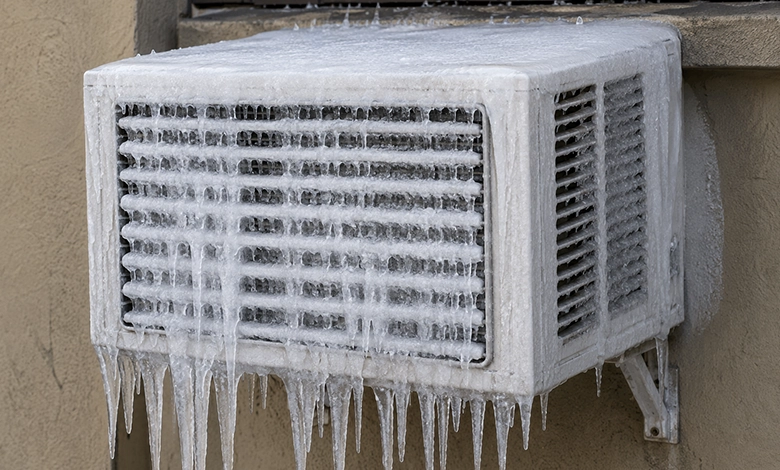
Ninety-six degrees outside. Ice on your air conditioner. It sounds like a bad joke, and honestly, that is how most people treat it at the start. They see frost on the copper line, shrug, and figure the unit is just working hard. It isn’t. Ice is the machine telling you it’s in trouble, and every hour it keeps running frozen, the damage gets worse, and the repair gets pricier. The good news sits on your side of this, though. Freeze-ups almost always trace back to a handful of causes, and you can spot most of them yourself in an afternoon. Catch it early, and you might fix it for the cost of a filter. Ignore it, and you’re shopping for a compressor. I’d rather you keep that money for a beach weekend.
What Your Air Conditioner Really Does On Hot Days
Cold air isn’t created. Heat gets moved. That’s the whole trick. Inside your system sits a part called the evaporator coil, and refrigerant runs through it at around 40 degrees Fahrenheit. Warm air from your rooms blows across that coil, dumps its heat, and comes out cooler on the other side. The setup only works while warm air keeps flowing, because that heat is what stops the coil from dropping below freezing. Cut off the airflow and the coil temperature slides under 32 degrees fast. Once it does, the moisture in your air stops draining away like it should and starts sticking to the metal instead. Frost turns to ice. Ice blocks more air. And a frozen coil can’t absorb heat at all, which is why your vents blow warm right when you need them most.
How Low Airflow Makes Your Air Conditioner Freeze
I’ve pulled filters out of hallway returns that looked like gray felt blankets. Every one of those homes had the same complaint: warm vents, frozen line, panicked owner. A clogged filter chokes the air before it ever reaches the coil, and less air means less heat feeding the system. Closed vents do quieter damage. So do couches parked in front of return grilles. People shut vents in spare rooms to save money, but the pressure that builds in the ducts starves the coil even more.
Simple AC Checks To Try Before Calling For Help
- Swap the filter if it’s past the 30- to 90-day mark, sooner with pets around.
- Open every supply vent, spare rooms included
- Drag couches, rugs, and curtains away from return grilles
- Vacuum the dust off the vent covers while you’re there
That walk takes five minutes. It saves a lot of people a service call, and it protects a machine that costs as much as a used car.
Refrigerant Leak Signs That Trigger AC Freeze Ups
Refrigerant doesn’t get used up. Ever. It loops through a sealed system, so when the level drops, something has sprung a leak. A low charge drags the pressure down. The coil runs colder than it was designed to, and that opens a straight path to ice. The clues are subtle but real. A faint hiss near the lines. Oily film on the copper. Rooms that cool slower every week until one day they just don’t. This one is not a driveway fix, and I wish it were. Federal law hands refrigerant work to EPA-certified techs. They track down the leak, seal it, and weigh in the exact charge your unit calls for. Paying for a top-off without the leak repair just rents you cold air for a few weeks before it escapes out the same hole.
Main Reasons Your AC Freezes During Hot Weather
Stick this on your fridge or screenshot it, whatever works. Match what you’re seeing at home to the middle column, and you’ll know whether you’re grabbing a filter or grabbing the phone.
| Cause | Warning Sign | Your Move |
| Clogged air filter | Weak airflow, dust around vents | Swap the filter, restart |
| Low refrigerant | Hissing sound, oily copper lines | Call an EPA-certified tech |
| Dirty evaporator coil | Musty smell, rising power bills | Book a coil cleaning |
| Failing blower fan | Humming, barely any air at the vents | Shut it down, get it inspected |
| Nights under 62 degrees | Frost after mild evenings | Run fan mode after dark |
One more thing about this chart. The gap between the cheap fixes and the expensive ones is mostly time, so the faster you match the clue, the smaller the bill.
Dirty AC Coils Can Cause Your Air Conditioner to Freeze Up
Even with a fresh filter and open vents, a coil caked in dust, pollen, and pet hair can still freeze solid. The grime works like a winter coat over the metal. The refrigerant inside keeps chilling, while the warm air outside can’t punch through. Meanwhile, the condensate drain, the little pipe that carries melted moisture away, loves to clog at the worst moment. Water backs up, pools around the coil, and refreezes overnight. Your nose usually knows before your eyes do. A musty smell from the vents tends to show up weeks ahead of visible frost. One coil cleaning every spring keeps all of this off your plate, and it costs far less than the ice-related repairs I see by mid-July.
How Extreme Thermostat Settings Can Cause AC Freezing
Some freeze-ups have nothing to do with dirt or leaks. Blame the weather, or blame the settings. Run the AC on a night that dips under 62 degrees, and the system pressure falls right along with the temperature. Frost follows close behind. Late spring pulls this trick constantly. Hot afternoon, crisp night, frozen coil by morning. The thermostat plays its part too. Setting 65 on a 95-degree day sends the system on a marathon it was never built to run. Energy Star’s number is 78 while you’re home. I know, that sounds warm. Still, it keeps the coil in its safe range and shaves real money off the bill. On the mild evenings, skip the AC entirely. Open a window. The night air works free.
How to Safely Thaw a Frozen Air Conditioner
Kill the cooling the moment you spot ice. Not after this cycle, not once the room cools off, right now. A frozen coil can slug liquid refrigerant back into the compressor, and compressors run north of half the price of a whole new system.
Here’s the safe order:
- Switch cooling off at the thermostat
- Flip the fan to ON so room air melts the ice from the inside out
- Lay towels around the indoor unit, since meltwater goes everywhere
- Give it three hours to a full day to finish thawing
- Load a fresh filter and open every vent before restarting
Whatever you do, don’t chip at the ice or pour hot water on the coil. Those aluminum fins bend if you look at them wrong, and one puncture turns a free thaw into a real repair. Ice that comes back within a day or two of restarting means the cause runs deeper, and that’s when a trained tech earns their fee.
Simple Habits To Prevent AC Coils From Freezing
Frozen AC in the middle of a heat wave feels personal. It really is just physics, though, and now the physics work for you instead of against you. Airflow, refrigerant, grime, weather habits. Those four cover nearly every frozen coil I’ve ever met. You can rule out half of them with a filter and a ten-minute walk through the house. There’s no shame in tapping out on the rest. When the ice keeps returning, or the fix sits past your comfort level, Pro Edge Services and Training is worth your call. Our crew handles freeze-ups all summer and trains other techs on the same work. The person at your door will know a coil from a capacitor. Get it looked at before the real heat lands, and spend August with the ice where it belongs, floating in your glass.
Frequently Asked Questions About AC Freeze Ups
Why does an air conditioner freeze up in hot weather?
An AC freezes when its evaporator coil drops below 32 degrees Fahrenheit. Weak airflow from a clogged filter, low refrigerant from a leak, or a grime-coated coil keeps the system from pulling in enough heat. Moisture in the air grabs onto the cold metal, hardens into ice, and chokes off cooling.
How long does a frozen AC take to thaw?
Plan on anywhere from three hours to a full day, depending on how thick the ice got and how warm the room is. Setting the thermostat fan to ON speeds things up by pushing room air across the coil. Skip the hair dryer and the ice pick, since the fins damage easily.
Can running a frozen air conditioner damage the system?
Yes, and the damage usually lands on the compressor. Ice on the coil lets liquid refrigerant slug back into that part, and replacing it often runs more than half the cost of a whole new system. Shut cooling down the moment you spot frost and let it thaw fully.
How often should air filters be changed to prevent freezing?
Every 30 to 90 days during cooling season for a standard one-inch filter. Homes with pets, smokers, or heavy dust should stay near the 30-day end. A clean filter keeps warm air moving over the evaporator coil, and that steady heat holds the metal safely above freezing.
Does low refrigerant always mean there is a leak?
Yes. Refrigerant circulates through a sealed loop and never burns off like fuel, so a low reading points straight at a leak in the lines or the coil. An EPA-certified technician has to find it, seal it, and recharge the system, because a top-off alone leaks back out within weeks.